Trying to choose between an older home with character and a newer home with a more predictable setup? In Frankfort, that decision can shape your budget, your renovation plans, and even your day-to-day routine. If you are weighing charm against convenience, this guide will help you compare what each option really looks like in this market. Let’s dive in.
Why This Choice Matters in Frankfort
Frankfort is a heavily owner-occupied community, with an estimated 94.8% owner-occupied housing rate and a median owner-occupied home value of $481,200. That means many buyers here are making a long-term lifestyle decision, not just a short-term purchase. In practice, choosing between a historic home and a newer one often comes down to how you want to live and what kind of upkeep you are comfortable managing.
The village also has two very different housing experiences. The historic core near downtown is shaped by preservation goals and design review. Newer subdivisions are shaped by more standardized lot sizes, planned infrastructure, and in some cases homeowners association responsibilities.
What Counts as a Historic Home in Frankfort
In Frankfort, the historic conversation usually centers on the Downtown Historic District and nearby downtown residential areas. Village code and planning documents are designed to preserve the area’s historic and architectural character, support reinvestment, and encourage adaptive reuse. The village also maintains an 1890s theme in the downtown historic area.
That matters because buying in the historic core is not only about owning an older house. It can also mean owning a home in an area where exterior changes are expected to stay compatible with the district’s historic appearance.
Historic design expectations
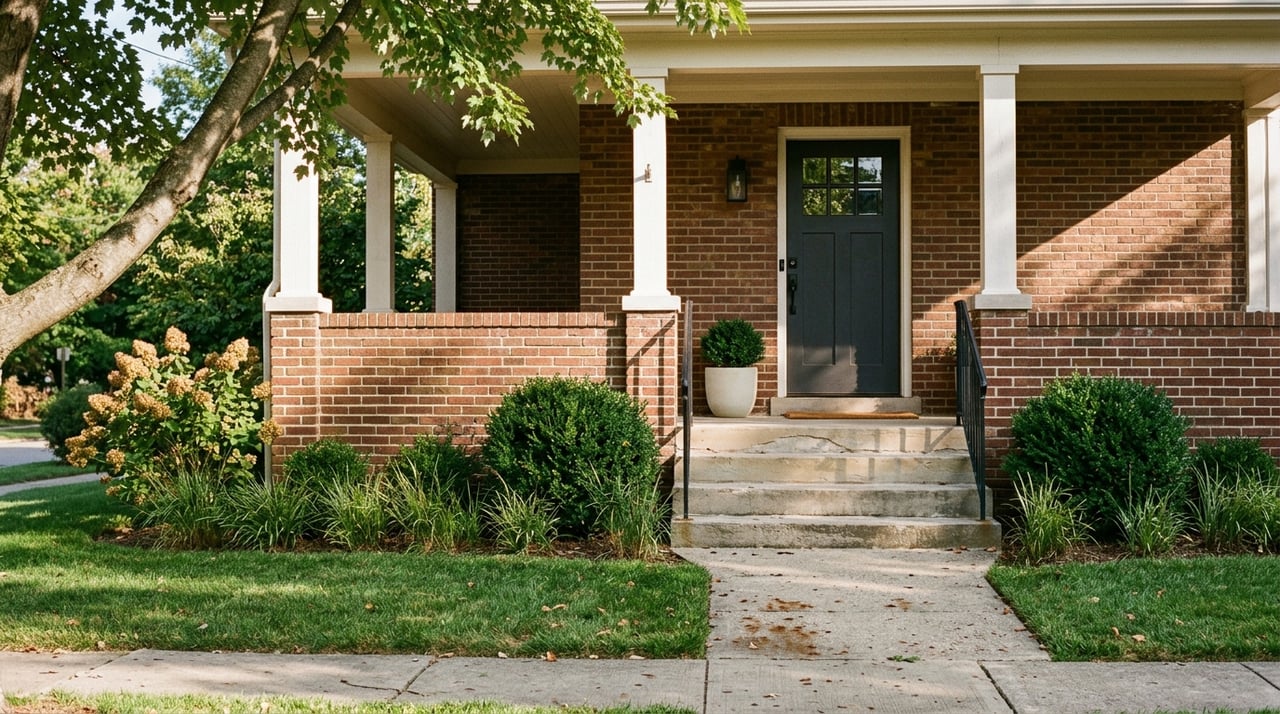
Frankfort’s downtown residential design guidelines favor a clear historic look. Common styles include Victorian, Colonial Revival, Craftsman, and American Foursquare. Features the village guidelines support include:
- Multiple-pane windows
- Covered front porches
- Street-facing entryways
- Detached garages
- Narrow driveways
The guidelines discourage mixing in too many contemporary design elements. So if you love the look of a historic streetscape, this can be a real plus. If you want wide flexibility for exterior redesign, it is something to think through early.
Smaller lots and tighter layouts
Recent downtown cases suggest that some lots in the historic core can be smaller than what newer residential areas typically require. Village board materials from recent cases referenced lots around 11,998 to 14,119 square feet in situations where 15,000 square feet was required. That does not mean every historic-area lot is small, but it does show that older parcel patterns can be tighter and less standardized.
For you as a buyer, that may show up in the form of a narrower driveway, a detached garage, less side-yard space, or less flexibility for additions. Those details are not deal-breakers, but they can affect how a property functions over time.
What to Expect With Historic Home Updates
If you are drawn to a historic home in Frankfort, it is smart to think beyond cosmetic updates. In the H-1 district, building permits are reviewed for architectural appropriateness. The historic district rules also protect sidewalk access and other pedestrian-scale details.
That means renovations may require more coordination than they would in a newer subdivision. Materials, garage placement, and driveway width can matter, along with the overall look of the exterior.
Historic homes may fit you if you want:
- A more distinctive streetscape
- Closer proximity to downtown
- A home with established architectural character
- A more pedestrian-oriented setting
- A property where thoughtful preservation is part of ownership
Historic homes may be harder if you want:
- Quick exterior changes without review
- A wide suburban-style driveway or attached garage setup
- More standardized lot dimensions
- Fewer design-related renovation limits
What Defines Newer Homes in Frankfort
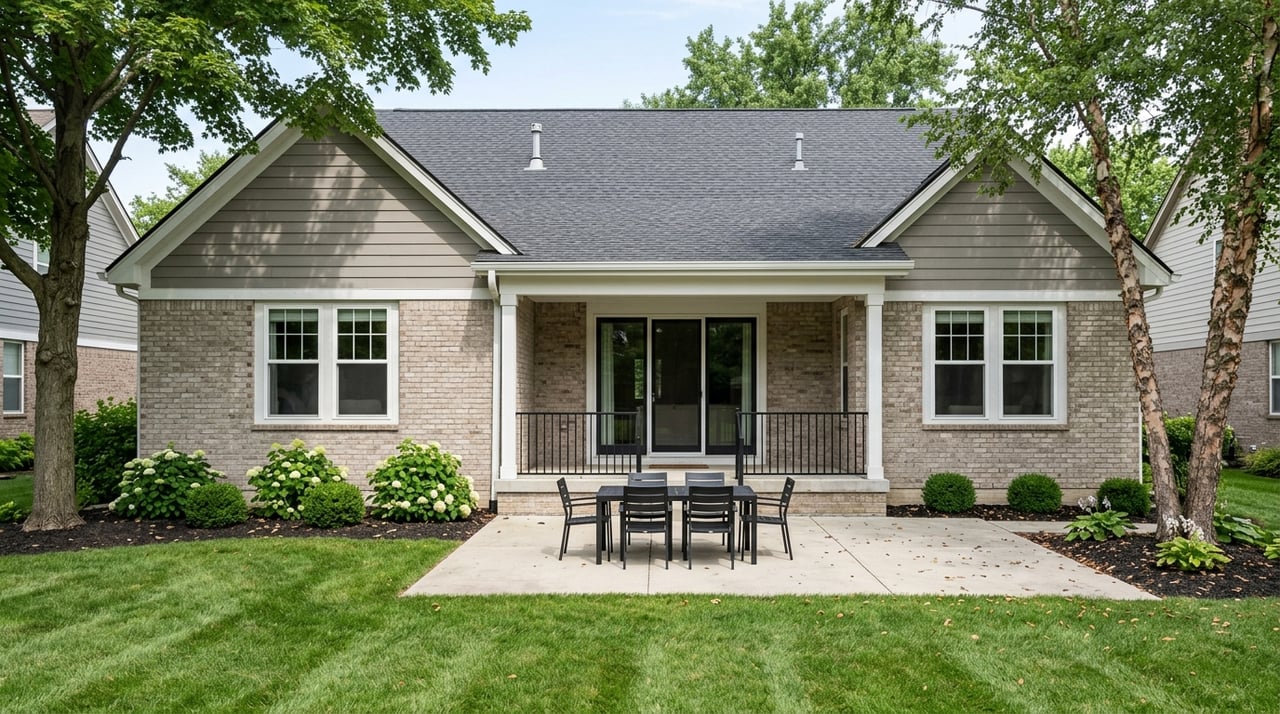
Newer subdivisions in Frankfort usually offer a more uniform residential layout. Current R-2 standards call for a minimum lot size of 15,000 square feet, with a typical lot width of 100 feet and typical depth of 150 feet. In one recent 25-lot subdivision example, the average lot size was 16,110 square feet, with average dimensions of 108 feet wide and 146 feet deep.
That kind of consistency can be appealing if you want a more predictable yard layout, clearer setbacks, and a neighborhood plan built around current subdivision standards.
More planned infrastructure
Newer subdivisions are also shaped by village engineering and plat requirements. Preliminary plats must show lot dimensions, setbacks, drainage and utility easements, detention ponds, and other public improvements. Recent subdivision conditions in Frankfort have included five-foot sidewalks, six-foot sidewalks, and even a 10-foot multi-purpose path.
In everyday terms, newer neighborhoods often feel more planned from the start. You may see more regular lot geometry, newer paths and sidewalks, and neighborhood infrastructure that was designed as part of a broader development plan.
The Trade-Off With Newer Construction
A newer home can reduce some of the preservation-related questions that come with older properties. You are less likely to deal with historic-compatibility review for exterior changes. You may also find a layout and lot shape that feel more familiar to today’s suburban buyer.
But lower preservation burden does not always mean lower responsibility. In some Frankfort subdivisions, homeowners associations are responsible for common outlots, detention ponds, landscaping, and subdivision signs. One recent declaration also created a maintenance reserve fund for common areas and detention ponds.
Newer homes may fit you if you want:
- Larger or more regular lots
- A more standardized neighborhood layout
- Fewer historic-design constraints
- Planned sidewalks, paths, and open-space features
- A more predictable suburban setup
Newer homes may be harder if you want:
- A one-of-a-kind historic streetscape
- Downtown architectural character
- No shared maintenance structure at all
- Complete freedom from HOA rules or dues
Historic vs. Newer Homes at a Glance
| Feature | Historic Core Homes | Newer Subdivision Homes |
|---|---|---|
| Streetscape | Distinctive, preservation-oriented | More standardized and planned |
| Lot pattern | Often tighter and less uniform | More regular and typically larger |
| Exterior changes | More likely to involve design review | Usually fewer historic compatibility concerns |
| Garage and driveway setup | Detached garages and narrower driveways are common in guidelines | More suburban-style layouts are typical |
| Daily feel | More pedestrian-oriented near downtown | More car-first and yard-first in feel |
| Ongoing obligations | Preservation-minded upkeep | Possible HOA dues and common-area rules |
How to Decide What Fits Your Life
The best home is not just the one that looks good online. It is the one that fits how you want to spend your time, money, and energy after closing. In Frankfort, this choice is often about priorities more than price alone.
If you picture yourself enjoying a more distinctive setting and you are comfortable with the idea of preservation-friendly updates, the historic core may feel like home. If you want more consistency in lot size, infrastructure, and layout, a newer subdivision may give you more day-to-day predictability.
Ask yourself these questions
- Do you want historic character or a more standardized suburban layout?
- Are you comfortable with design review for some exterior changes?
- Would you rather manage your own property details, or are you okay with HOA rules and dues?
- Do you prefer a downtown-adjacent setting or a more planned subdivision environment?
- Is lot size and geometry a major priority for your next move?
Why Local Guidance Helps
On paper, the choice between historic and newer homes can seem simple. In real life, each property has its own lot conditions, review considerations, and ownership costs. A home that looks perfect at first glance may come with design constraints, common-area obligations, or layout trade-offs that are easier to understand before you make an offer.
That is where local guidance matters. When you understand how Frankfort’s historic rules, subdivision standards, and neighborhood patterns affect a home, you can make a more confident decision and avoid surprises later.
If you are comparing homes in Frankfort and want clear, candid guidance on what fits your goals, Niki Rocco can help you sort through the details and make your next move with confidence.
FAQs
What is considered a historic home area in Frankfort?
- In Frankfort, the historic conversation usually centers on the Downtown Historic District and nearby downtown residential areas, where village rules and design guidelines are intended to preserve the area’s historic character.
What should buyers know about renovating a historic home in Frankfort?
- Buyers should expect that some exterior work in the H-1 district may be reviewed for architectural appropriateness, so materials, driveway layout, garage placement, and overall compatibility can matter.
How are newer subdivision lots different in Frankfort?
- Newer subdivisions in Frankfort are generally more standardized, with current R-2 standards calling for 15,000-square-foot minimum lots and typical dimensions around 100 feet wide by 150 feet deep.
Do newer homes in Frankfort always mean less maintenance?
- Not necessarily. Newer homes may have fewer historic-preservation concerns, but some subdivisions include HOA responsibilities, reserve funds, and shared maintenance obligations for common areas, landscaping, or detention ponds.
Are historic homes in Frankfort more walkable than newer homes?
- The historic area is more likely to feel pedestrian-oriented because district rules protect sidewalk space and downtown guidelines focus on a walkable residential context, while newer subdivisions often follow a more car-first and yard-first pattern.
How can you choose between a historic and newer home in Frankfort?
- A good way to decide is to compare your comfort with design review, lot size preferences, desired neighborhood feel, and willingness to take on either preservation-focused upkeep or HOA-related responsibilities.