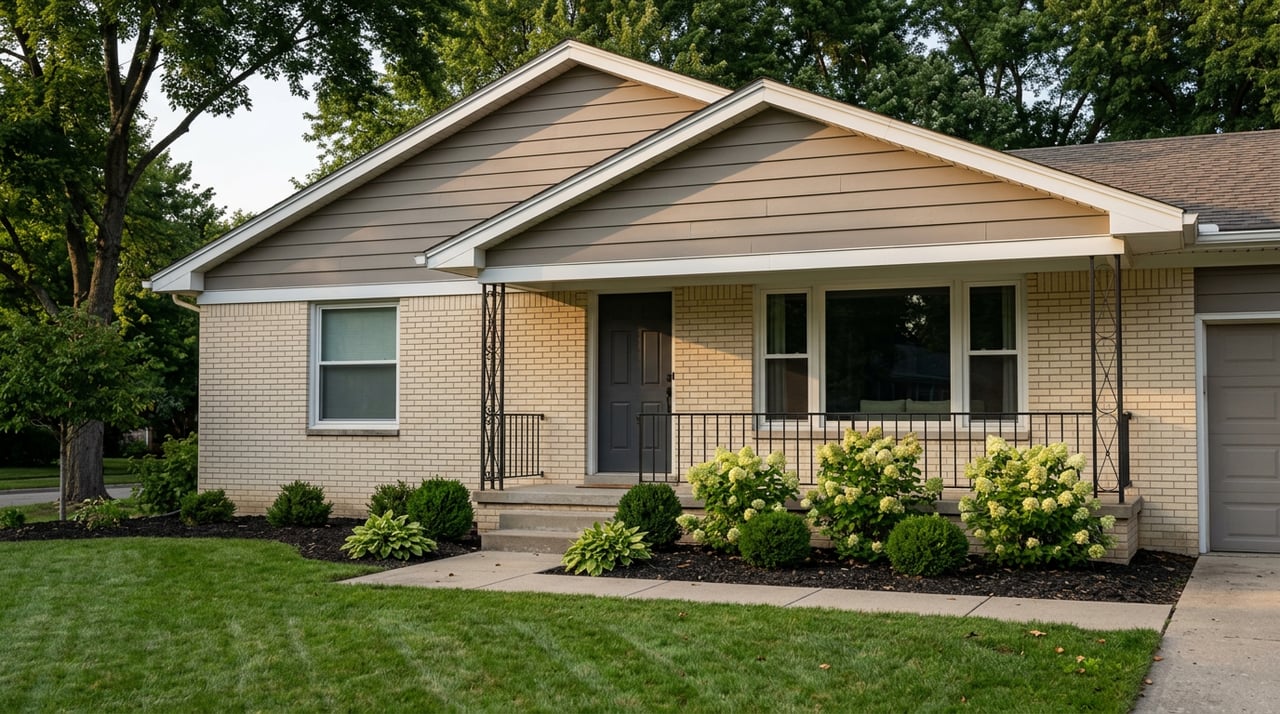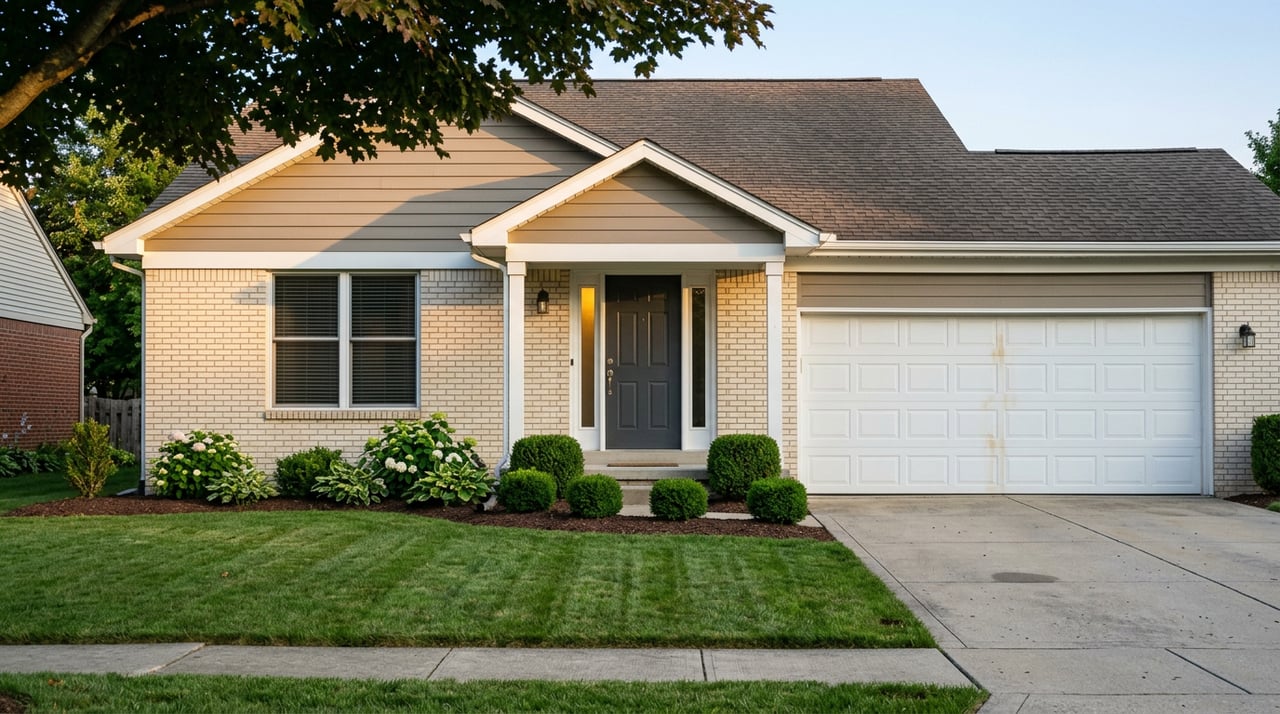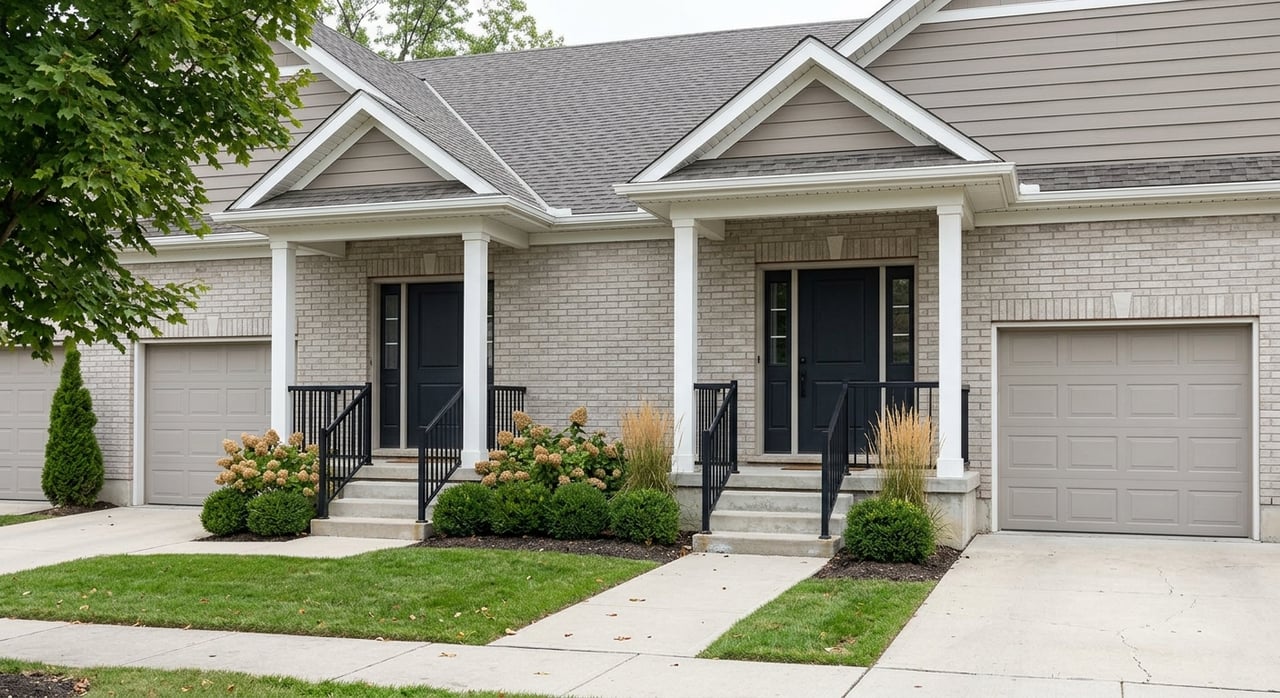
Wondering whether a condo or townhome in Orland Park could give you the right mix of space, price, and lower-maintenance living? If you want homeownership without taking on every exterior chore yourself, attached living can be a smart option. The key is understanding how these homes differ, what the monthly costs really cover, and how to shop with confidence in the local market. Let’s dive in.
Why attached living stands out in Orland Park
Orland Park has a meaningful attached-housing market, which gives you more than one path into homeownership. Current listing snapshots show 28 condos for sale at a median listing price of $232,000 and 27 townhouses at a median listing price of $367,000.
That matters because Orland Park’s broader housing market is priced higher. Recent market snapshots show a median sale price of $384,720 over the last three months, while Zillow reports an average home value of $407,625. In practical terms, condos often offer a lower entry point, while many townhomes are priced closer to the overall local market.
Attached inventory is also spread across several established Orland Park pockets. Current listing examples appear in areas such as Central Orland, Oak Hills, Eagle Ridge, Crystal Tree, Orland Grove, Downtown Orland Park, and Orlan Brook.
Condo vs townhome basics
If you are deciding between the two, start with the lifestyle difference. A condo often works well if you want a simpler setup, less square footage to maintain, and a lower purchase price. A townhome may feel more like a traditional house, often with more room and features such as attached garages.
In current Orland Park listings, condos commonly show 2-bedroom, 2-bath layouts ranging from about 1,150 to 1,600 square feet. You may also see some 2-bedroom, 1.5-bath options and a smaller number of 3-bedroom, 2-bath layouts.
Townhomes in Orland Park are typically larger. Current listings often show 2 to 3 bedrooms, 3 or more baths, and roughly 1,700 to 2,700 square feet, including two-story floor plans and attached 2-car garages.
What condos usually offer
A condo can be a strong fit if you want to keep things simple. In Orland Park, many current condo listings include features like balconies, fireplaces, courtyard or pond views, and garage parking, including some tandem 2-car garage setups.
You may also find buildings or communities with shared amenities. Current listing examples show amenities such as clubhouses, pools, exercise rooms, tennis courts, pickleball courts, and maintained grounds.
What townhomes usually offer
Townhomes tend to appeal to buyers who want more space without moving to a detached single-family home. In current Orland Park listings, common features include attached 2-car garages, private balconies or patios, decks, end-unit locations, and more house-like floor plans.
For some buyers, that creates a nice middle ground. You can often get extra space and private entry features while still having an association handle parts of the exterior and common-area upkeep.
What HOA dues may cover
One of the biggest questions buyers ask is simple: what do the monthly dues actually pay for? In Orland Park attached communities, the answer can vary a lot by development.
Current listing examples show dues that may include water, insurance, exterior maintenance, lawn care, scavenger service, and snow removal. Some communities also include access to amenities like a pool, clubhouse, fitness room, or courts.
That can reduce your day-to-day maintenance load. But it also means you should treat dues as part of your true monthly housing cost, not as an afterthought.
How Illinois association rules affect buyers
In Illinois, attached homes may be governed under different legal structures. Depending on the property, the community may fall under the Condominium Property Act or the Common Interest Community Association Act.
That matters because the legal structure shapes how ownership, common areas, maintenance obligations, and assessments are handled. Illinois law also ties common-interest ownership to shared costs for items like maintenance, improvements, insurance premiums, or real estate taxes for common areas, as laid out in the declaration.
For condominiums, Illinois law requires associations to maintain reasonable reserves for capital expenditures and deferred maintenance of common elements. In plain English, reserves are the funds set aside for future repairs and larger shared expenses.
Why reserves and assessments matter
A beautiful unit does not always tell you the full story. One of the most important parts of buying a condo or townhome is reviewing how well the association is run financially.
Illinois guidance says condo owners can inspect documents such as the declaration, bylaws, plat, rules and regulations, minutes, financial records, and reserve study. The annual budget should identify common expenses, capital items, reserves, and anticipated assessments.
A reserve study helps show whether the association appears to be planning appropriately for long-term repairs. If reserves are weak, owners may face extra costs later.
That leads to another major question: special assessments. Illinois guidance notes that special assessments may be collected as a lump sum or through installments, so you should always ask whether any are pending and whether the reserve position appears adequate.
Insurance works differently here
Insurance for attached living is not exactly the same as it is for a detached home. In many condo communities, association dues typically include a master insurance policy for common areas.
That does not mean your own insurance needs disappear. Owners still need their own policy for the unit, and dues are usually paid separately from the mortgage.
This is one of those details that is easy to miss when you are comparing monthly costs. A home that looks affordable at first glance may feel different once you factor in your mortgage, dues, and your own unit insurance.
Who condo and townhome living may fit best
Attached living often works well for buyers who want less exterior upkeep and a more lock-and-leave lifestyle. That can include first-time buyers, downsizers, and busy professionals who value convenience and shared amenities.
For first-time buyers, a condo may offer a more accessible price point in Orland Park. With current median listing prices showing condos at $232,000, this option can be worth a close look if you want to enter the market without stretching as far as many single-family or larger attached options.
For buyers who want more living space, a townhome may offer a better balance. With many current listings ranging from 1,700 to 2,700 square feet, townhomes can provide room to spread out while still reducing some of the maintenance you would handle on your own in a detached property.
How to compare Orland Park listings wisely
When you are browsing condos and townhomes, it helps to compare more than just price and photos. Two homes with similar asking prices can offer very different monthly costs, maintenance responsibilities, and long-term value.
Here are a few smart questions to ask as you review listings:
- What does the HOA fee include?
- Is the property legally structured as a condo or another common-interest community?
- How many garage spaces come with the unit?
- Is the home on an upper floor or does it include stairs?
- Are there pet rules or rental rules?
- Is a reserve study available?
- Is any special assessment pending?
These questions can help you avoid surprises. They also make it easier to compare homes on a true apples-to-apples basis.
A simple attached-home checklist
Before you make an offer, keep this short checklist in mind:
- Review the monthly HOA amount carefully
- Confirm what the dues cover
- Ask for association financials and budgets
- Check whether reserves appear adequate
- Ask about current or planned special assessments
- Understand insurance responsibilities for the association and the owner
- Confirm layout details such as stairs, floor level, and garage type
- Review pet and rental rules before moving forward
This kind of due diligence can make a major difference. It helps you choose a home that fits both your lifestyle and your budget, not just today but over time.
Finding the right fit in Orland Park
There is no one-size-fits-all answer when it comes to condo or townhome living in Orland Park. The right choice depends on how much space you want, how much maintenance you are comfortable with, and how monthly dues fit into your budget.
The good news is that Orland Park offers options across a meaningful price and lifestyle range. Whether you are looking for a lower-entry condo or a more spacious townhome with house-like features, the local attached-home market gives you solid choices to explore.
If you want help comparing communities, reviewing monthly costs, or narrowing down the best fit for your goals, Niki Rocco can help you navigate Orland Park with clear guidance and a concierge-level approach.
FAQs
What is the price difference between condos and townhomes in Orland Park?
- Current listing snapshots show Orland Park condos at a median listing price of $232,000 and townhouses at a median listing price of $367,000, with townhomes generally pricing closer to the broader local housing market.
What features do Orland Park condos usually have?
- Current condo listings in Orland Park often include 2-bedroom, 2-bath layouts, balconies, fireplaces, courtyard or pond views, and garage parking, with some communities offering amenities like pools, clubhouses, and exercise rooms.
What features do Orland Park townhomes usually have?
- Current townhome listings in Orland Park commonly offer 2 to 3 bedrooms, 3 or more baths, about 1,700 to 2,700 square feet, and features like attached 2-car garages, private balconies or patios, and two-story layouts.
What do HOA dues usually cover in Orland Park condo and townhome communities?
- Based on current listing examples, dues may cover items such as water, insurance, exterior maintenance, lawn care, scavenger service, snow removal, and access to shared amenities, but coverage varies by community.
What association documents should condo buyers review in Illinois?
- Illinois guidance says buyers should review records such as the declaration, bylaws, plat, rules and regulations, minutes, financial records, reserve study, and annual budget to better understand the association’s financial condition and operating rules.
Why should Orland Park buyers ask about special assessments?
- Illinois guidance notes that special assessments can be charged as a lump sum or in installments, so asking about pending assessments and reserve funding can help you avoid unexpected costs after closing.