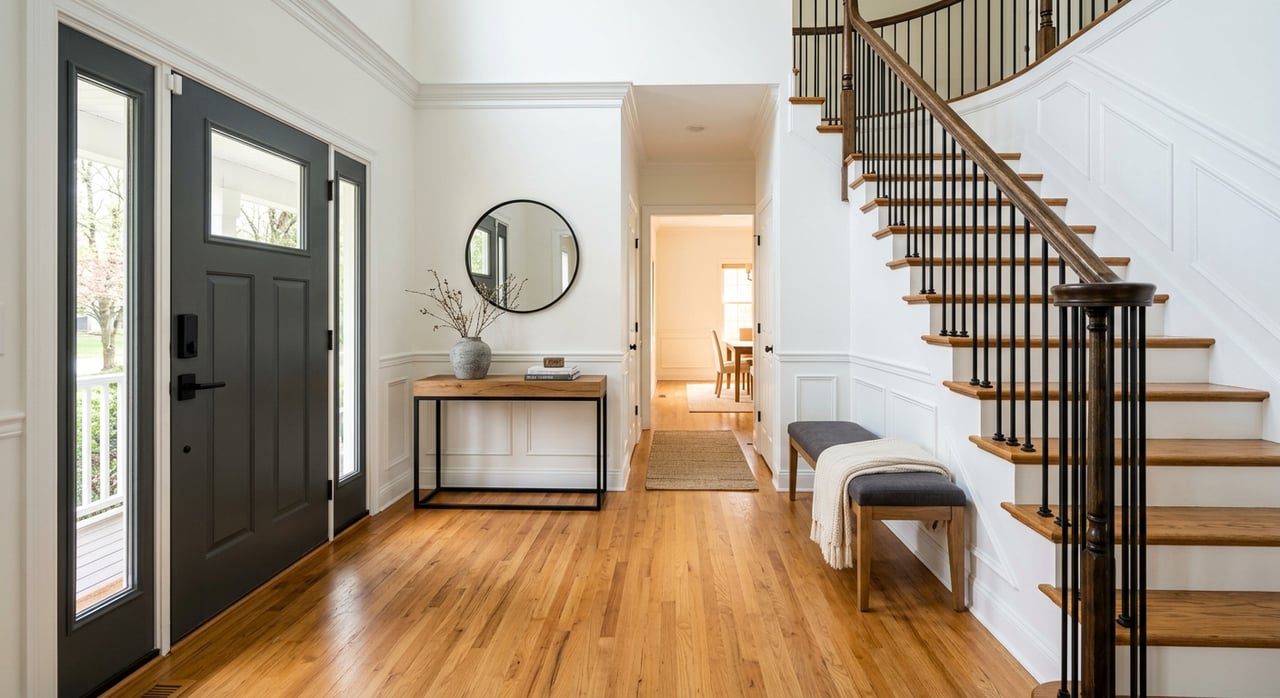
If you are selling a home in Mokena, it is easy to wonder what really matters most: pricing, prep, photos, timing, inspections, or the closing date. The truth is that all of those pieces work together, and a smooth sale usually starts well before your home hits the market. When you understand the process from prep to closing, you can make smarter decisions, reduce stress, and put your home in a better position to attract serious buyers. Let’s dive in.
Understand the Mokena market
Mokena is a smaller southwest suburban market with 19,887 residents and 7,198 households, and the village’s commuter-friendly location helps support buyer demand beyond just immediate neighborhood searches. The community also offers access to two Metra stations and major roadways, which can widen the pool of buyers considering a move here, according to the Village of Mokena community profile.
Current pricing data shows healthy interest, but not a one-size-fits-all market. Redfin’s Mokena housing market data reported a February 2026 median sale price of $496,500 and 106 median days on market, while other trackers in the research report showed different price points and timelines. The key takeaway for you is simple: buyers are active, but strong results still depend on accurate pricing, thoughtful prep, and polished presentation.
Start with pre-list prep
Before you think about listing photos or open houses, focus on the condition and paperwork behind your sale. A well-prepared home often creates a smoother transaction because buyers feel more confident when the home appears cared for and the seller is organized.
For many Mokena homes, especially with the village’s median housing age of 1996, prep often means paying attention to everyday issues like roof condition, drainage, HVAC performance, plumbing, and overall upkeep. You do not necessarily need a major renovation to make a strong impression, but you do want to address obvious maintenance concerns and make the home feel clean, functional, and move-in ready.
Check permits before listing
If you have completed substantial updates or repairs, it is worth confirming whether permits were required and properly handled. The Village of Mokena permit information says permits are required for many residential projects, including additions, fences, decks, pools, sheds, central air conditioning, structural roof repairs, and plumbing or electrical alterations.
The village also requires properties to remain orderly, clean, and safe, with weeds cut and debris removed. That means basic exterior maintenance is not just good marketing. It is also part of presenting your property responsibly before showings begin.
Complete seller disclosures carefully
Illinois sellers are generally required to provide a Residential Real Property Disclosure Report. As outlined in the Illinois REALTORS seller disclosure brochure, the disclosure covers known issues involving flooding, furnace systems, electrical, plumbing, air conditioning, lead paint, radon, asbestos, and methamphetamine production.
This step matters because timing and accuracy can affect your deal. The same Illinois REALTORS resource notes that if the disclosure is delivered after contract signing and reveals a material defect, the buyer may have five business days to terminate. In other words, clear disclosure upfront can help reduce surprises later.
Focus on the prep buyers notice first
When buyers scroll through listings, your home gets judged quickly. That makes presentation one of the most practical ways to improve interest and help your home stand out.
According to the National Association of Realtors 2025 staging report, the highest-impact prep steps are often simple ones: decluttering, deep cleaning, improving curb appeal, and using strong photography and staging. Nearly half of sellers’ agents said staging reduced time on market, and buyers’ agents said visuals help buyers imagine themselves in the space.
Prioritize these listing-ready steps
Before your home goes live, focus on the basics that tend to deliver the biggest return:
- Declutter countertops, closets, and visible storage areas
- Deep clean floors, bathrooms, kitchens, and windows
- Touch up paint and minor cosmetic flaws
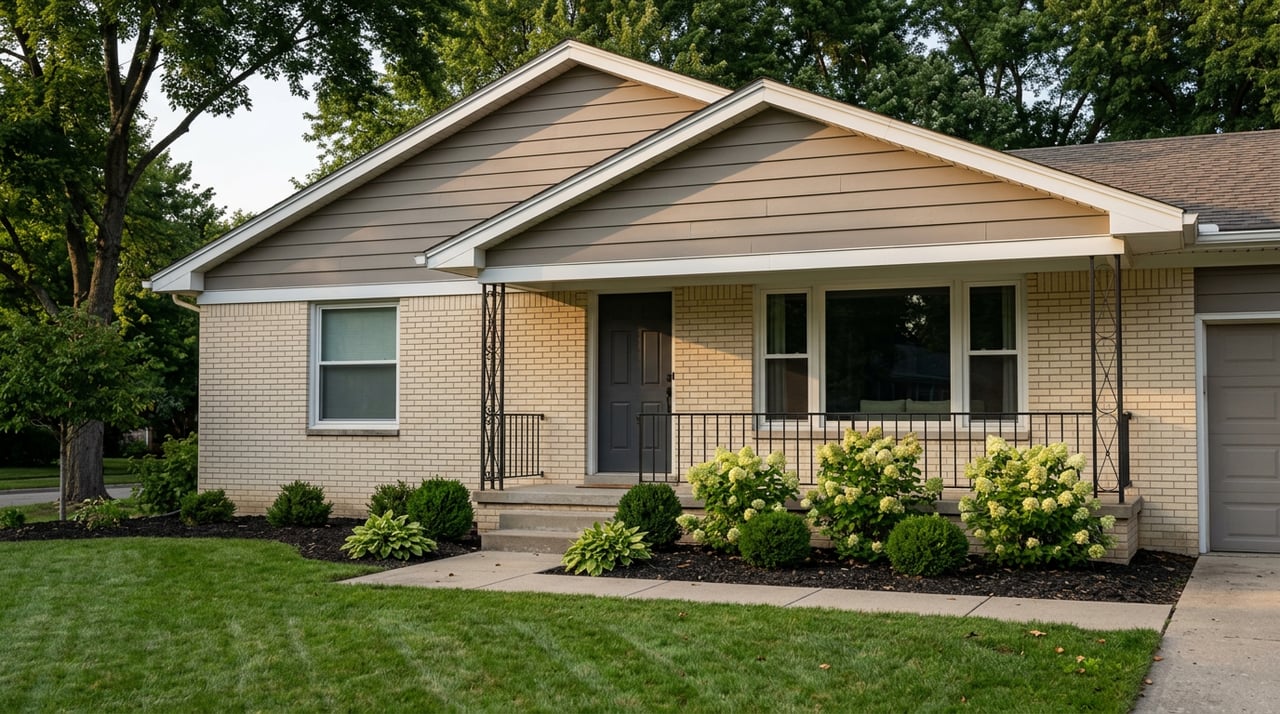
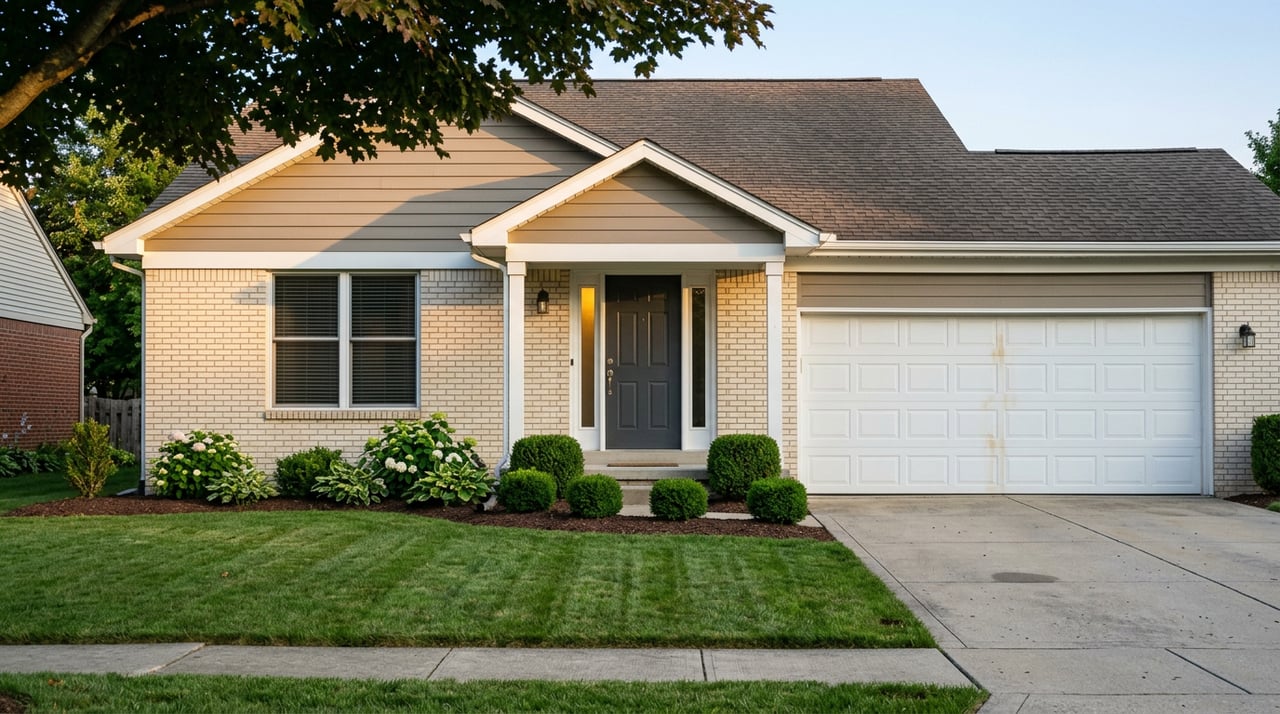
- Tidy the yard and improve curb appeal
- Replace burned-out bulbs and brighten dark rooms
- Address obvious deferred maintenance
- Prepare for professional photography and video
These steps support the kind of marketing that drives attention early. NAR also found that 83% of buyers’ agents said staging made it easier for buyers to envision a property, while 73% said photos were highly important.
Price with today’s buyers in mind
Pricing is one of the biggest decisions you will make. Even in a market with active demand, overpricing can cost you time, while underpricing without strategy can leave money on the table.
Because Mokena market trackers currently show different figures for sale price, list price, and days on market, it helps to think of pricing as a positioning tool rather than a guess. Your price should reflect your home’s condition, updates, lot, location, and how it compares to current competition and recent sales. The right pricing strategy helps create urgency without relying on luck.
Make showings count
Once your home is live, the goal is to turn online interest into in-person showings and then into offers. That process usually goes more smoothly when your home is easy to access, visually consistent with the listing photos, and presented in a clean, calm way each time a buyer walks through.
Professional presentation matters here. NAR’s staging research found that photos, videos, virtual tours, and staging all help buyers picture the home more clearly. For you, that means every showing should reinforce the same message your marketing sends: this home is cared for, well-presented, and worth serious consideration.
Prepare for inspection issues early
Inspections are where many deals get more emotional, even when the home is in solid condition. Buyers are looking for information, and their inspector may flag issues you already know about, issues you have never noticed, or items that are common but still negotiable.
In Mokena and across Illinois, some of the most relevant inspection topics overlap with the state disclosure form. That includes flooding, furnace systems, electrical, plumbing, air conditioning, and environmental hazards like lead paint, radon, asbestos, and methamphetamine production, based on the Illinois REALTORS disclosure guidance.
Radon, lead, and asbestos questions
Radon is worth special attention because it is not limited to one small area. The research report notes that Will County’s health department says radon occurs in every county in Illinois, including Will County, and the EPA says all homes should be tested regardless of zone designation.
Lead and asbestos may also come up, especially in older homes. The EPA lead disclosure resource explains that homes built before 1978 may contain lead-based paint, and renovation work in older homes can create hazardous dust. The same EPA resource notes that homeowners may want an asbestos inspection if materials are damaged or likely to be disturbed.
What happens after the inspection
After the buyer receives the inspection report, the next step is usually negotiation. As explained by the Consumer Financial Protection Bureau’s inspection guidance, buyers may ask for repairs, credits, or a price adjustment, and inspection issues can sometimes affect financing if the lender requires certain repairs before closing.
That is why preparation matters so much. When you understand your home’s likely red flags ahead of time, you can decide whether to repair issues before listing, disclose them clearly, or plan for negotiation if they come up later.
Know the steps from contract to closing
Once you accept an offer, the process often feels faster than expected. There are multiple moving parts, and even small delays can affect the closing date.
One important detail is that the inspection and appraisal are different steps. The CFPB explains that lenders generally require an appraisal even after the buyer has completed the inspection, so a deal can still face hurdles after inspection negotiations are finished.
Typical closing timeline
NAR reported a median 30 days to close in February 2025, and the CFPB says buyers must receive the Closing Disclosure at least three business days before closing. While each transaction is different, that gives you a helpful general sense of timing.
A practical contract-to-close checklist includes:
- Complete any agreed repairs on time
- Stay in communication about the appraisal and loan process
- Review the settlement statement carefully
- Confirm the closing date with the lender and title company
- Be ready for final tax and transfer calculations
Understand taxes and closing costs
In Illinois, closing includes more than just signing documents. You should also expect transfer tax paperwork and property tax proration to be part of the final numbers.
According to the Illinois Department of Revenue transfer tax guidance, the state real estate transfer tax is $0.50 for each $500 of value, and Form PTAX-203 is completed by the buyer and seller and filed with the county. The closing statement may also reflect county-level transfer tax handling through the same process.
Property taxes are also usually prorated at closing. The Illinois Department of Revenue explains that existing-home sellers generally remain responsible for outstanding tax bills and usually provide a credit for the period they owned the property. That means tax proration is a normal part of the settlement statement and something you will want to review closely.
Why a smooth sale starts before listing
The strongest Mokena sales usually do not happen by accident. They are built on a clear strategy that starts with preparation, carries through pricing and presentation, and stays organized through inspection, appraisal, and closing.
If you are thinking about selling, the best first step is to get clear on where your home stands today. From permit questions and disclosures to staging, photography, and timing, the right guidance can help you avoid preventable delays and make your next move with more confidence. If you want a personalized plan for your sale in Mokena, connect with Niki Rocco for expert local guidance and a concierge-level approach.
FAQs
What should you do before listing a home in Mokena?
- Before listing a home in Mokena, you should review disclosures, check whether past work required permits, address visible maintenance issues, declutter, deep clean, and prepare the home for professional photography.
What disclosures are required when selling a home in Illinois?
- Illinois sellers generally complete a Residential Real Property Disclosure Report covering known issues such as flooding, furnace, electrical, plumbing, air conditioning, lead paint, radon, asbestos, and methamphetamine production.
How long does it take to sell and close a home in Mokena?
- Timing varies, but market data in the research report shows that days on market can differ by source, and NAR reported a median 30 days to close once a home is under contract.
What inspection issues matter when selling a home in Mokena?
- Common inspection concerns include flooding, HVAC, electrical, plumbing, air conditioning, and environmental items such as radon, lead-based paint, and asbestos, depending on the age and condition of the home.
What taxes are part of an Illinois home closing?
- Illinois closings may include state transfer tax and a property tax proration, which is typically shown as a credit or adjustment on the closing statement.