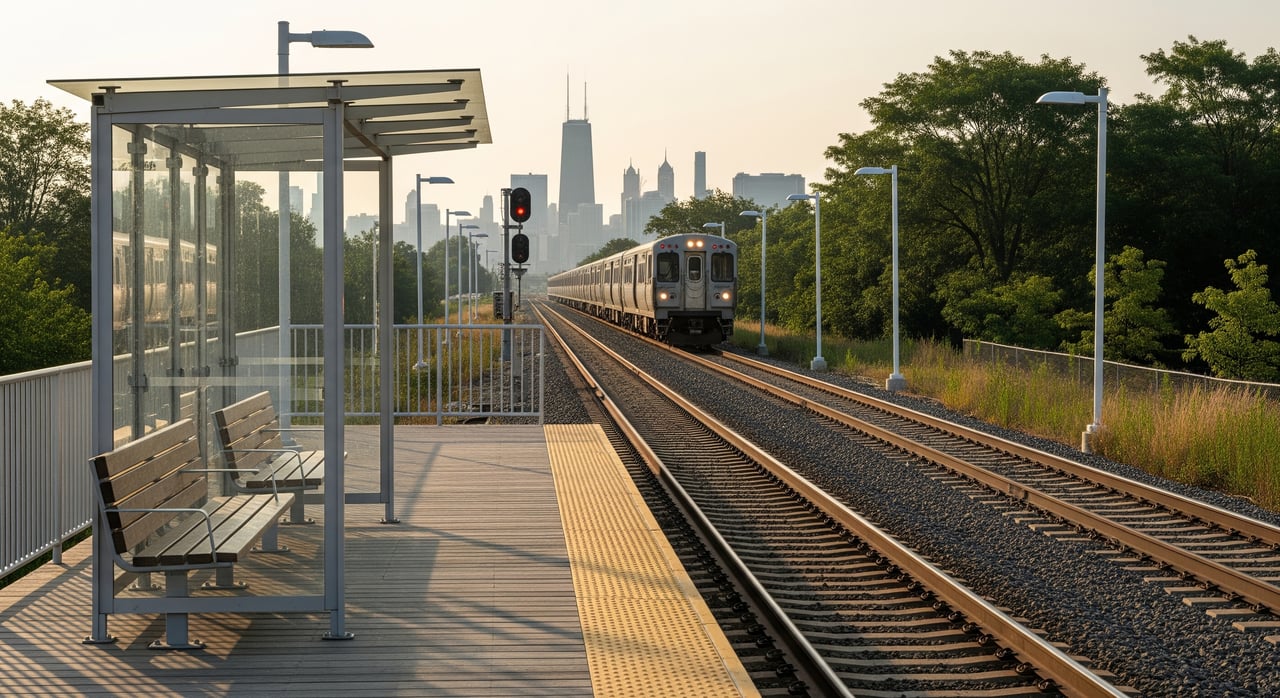
Thinking about moving to Mokena but worried about the daily trip into the city? You are not alone. Many buyers weigh commute time and cost just as much as bedrooms and yard size. This guide gives you clear, practical steps to plan your Mokena to Chicago commute, whether you take Metra or drive, so you can choose a home with confidence. Let’s dive in.
Commute options at a glance
- Metra Rock Island District from Mokena station to downtown’s LaSalle Street Station.
- Driving via regional highways and tollways with travel time that varies by traffic, weather, and incidents.
- Park-and-ride, bike, rideshare, or Pace bus for the first and last mile, depending on your routine.
- A flexible, multimodal mix that adapts to your work schedule or childcare needs.
Metra Rock Island District
The Metra Rock Island District (RID) links Mokena to LaSalle Street Station in the downtown core. Service is typically most frequent on weekday peaks and lighter off-peak and on weekends. If you want a predictable arrival window and time to read or work, the train is often the simplest choice.
What to check before you ride
- Current Mokena station timetable for weekday vs weekend schedules.
- Which trains stop at Mokena and whether they run express or local.
- Fare options such as single-ride, 10-ride, or monthly pass, and current payment methods.
- Real-time service alerts for construction, weather, or mechanical issues.
- Station details like parking rules, ADA access, and amenities.
Practical train tips
- Peak trains can be crowded. Arrive early to improve your chances of getting a seat.
- Off-peak and weekend trains run less frequently, so plan ahead for meetings, flights, or events.
- Pack a small “train work kit” with a power bank, headphones, and a secure bag.
- Add buffer time for the walk or transfer from LaSalle Street Station to your office.
Driving to downtown Chicago
Driving from Mokena to the Loop usually involves a mix of local roads plus major corridors such as I-80, I-55, and I-294, followed by Chicago expressways closer in. The fastest route can change day to day, so rely on live navigation when you leave.
- Travel time varies, especially during the morning and evening peaks.
- Winter weather, construction, or crashes can add significant time.
- Many faster routes include tolls that trade cost for more consistent timing.
Plan for costs and parking
Downtown parking can be one of your largest commute expenses. Compare monthly parking or daily lots against a Metra monthly pass, gas, tolls, and vehicle wear. If your employer offers pre-tax commuter benefits or transit subsidies, include those savings in your math.
Park-and-ride and last mile
If you plan to drive to the station, check Mokena’s parking rules, permit availability, daily rates, and when lots tend to fill. During busy seasons, arriving early helps. If parking is tight, nearby Rock Island stations such as New Lenox or Tinley Park may be alternatives with different parking policies and train frequencies.
- Consider rideshare or a family drop-off for flexibility when lots are full.
- Biking to the station can work for short distances. Confirm bike racks and be mindful of seasonal conditions.
- Some areas have Pace bus connections that can serve as first or last mile links. Schedules and coordination vary by route.
- Confirm ADA access and station amenities before relying on them.
Rush-hour realities
Most commuters travel inbound between about 6:00 and 9:30 AM and outbound between about 3:30 and 7:00 PM. These windows see the fullest trains and the heaviest road congestion.
- Keep a backup plan such as an earlier or later train, a different station, or a work-from-home day.
- Use real-time apps for alerts and travel-time estimates.
- Pack weather-appropriate gear in winter and bring water during summer events and peak travel days.
Choose a commuter-friendly home
Balancing commute with lifestyle is part art, part math. Homes closer to the station can reduce daily friction, while larger lots may increase first and last mile time. If you telecommute part of the week, your tolerance for a longer ride may change.
Quick evaluation checklist
- Distance and drive time to Mokena station or an alternative RID stop.
- Typical morning and evening traffic patterns from your street to the station.
- Station parking availability, permit process, and any local street restrictions.
- Walkability, lighting, and comfort for early departures or late returns.
- Nearby essentials like grocery or daycare that save extra trips during peak hours.
Test your commute before you buy
A trial run can prevent surprises. Try these steps during the times you would actually travel.
- Ride the train you would take for an 8:30 AM downtown arrival and track total door-to-door time.
- If driving, test a morning and evening trip using live navigation and note the range of times.
- Visit the station lot at your target arrival time to see parking availability.
- Stand on the platform during your expected train and gauge crowding.
- Confirm station amenities and any Pace routes you plan to use.
Where Mokena fits among nearby suburbs
- Mokena: Village feel with direct Rock Island access. A solid pick if you want a straightforward train start.
- New Lenox: Adjacent community on the same line, with different station amenities and parking options.
- Tinley Park: Larger hub with multiple commuting choices and more retail and entertainment.
- Frankfort and Homer Glen: Nearby options with varied housing styles, often with a longer drive to the train.
- Orland Park and Oak Lawn: Farther north with additional transit choices if you are open to a slightly longer drive for frequency.
Choosing the right suburb is about tradeoffs: cost, convenience, and daily rhythm. The right answer is the one that matches your schedule, budget, and lifestyle.
Ready to compare homes with a commute plan that actually works for your family? With deep local expertise in the southwest suburbs and a concierge approach backed by @properties Christie’s, our team makes the move smoother from first showing to first commute. Connect with Niki Rocco to map your options.
FAQs
How long is the Metra ride from Mokena to downtown Chicago?
- It depends on the specific train, express vs local stops, and the day’s conditions. Check the current Rock Island District schedule and build in a buffer for transfers.
How often do trains run from Mokena during peak hours?
- Frequency is higher during weekday peaks and lighter off-peak and on weekends. Review the latest timetable before you set a routine.
What should I know about parking at the Mokena Metra station?
- Verify permit vs daily rules, costs, and typical fill times, and consider nearby stations if the lot is full during your arrival window.
Are there Pace buses that connect to Mokena’s station?
- Some areas have feeder service, but routes and coordination change. Confirm current Pace schedules and plan your transfers.
What is the best driving route from Mokena to the Chicago Loop?
- Routes vary by live traffic. Expect a mix of I-80, I-55, I-294, and city expressways, and use real-time navigation to choose the fastest option.
How do costs compare between a Metra pass and driving with downtown parking?
- Tally the monthly Metra pass against gas, tolls, parking, and vehicle wear. Include any employer commuter benefits that reduce out-of-pocket costs.