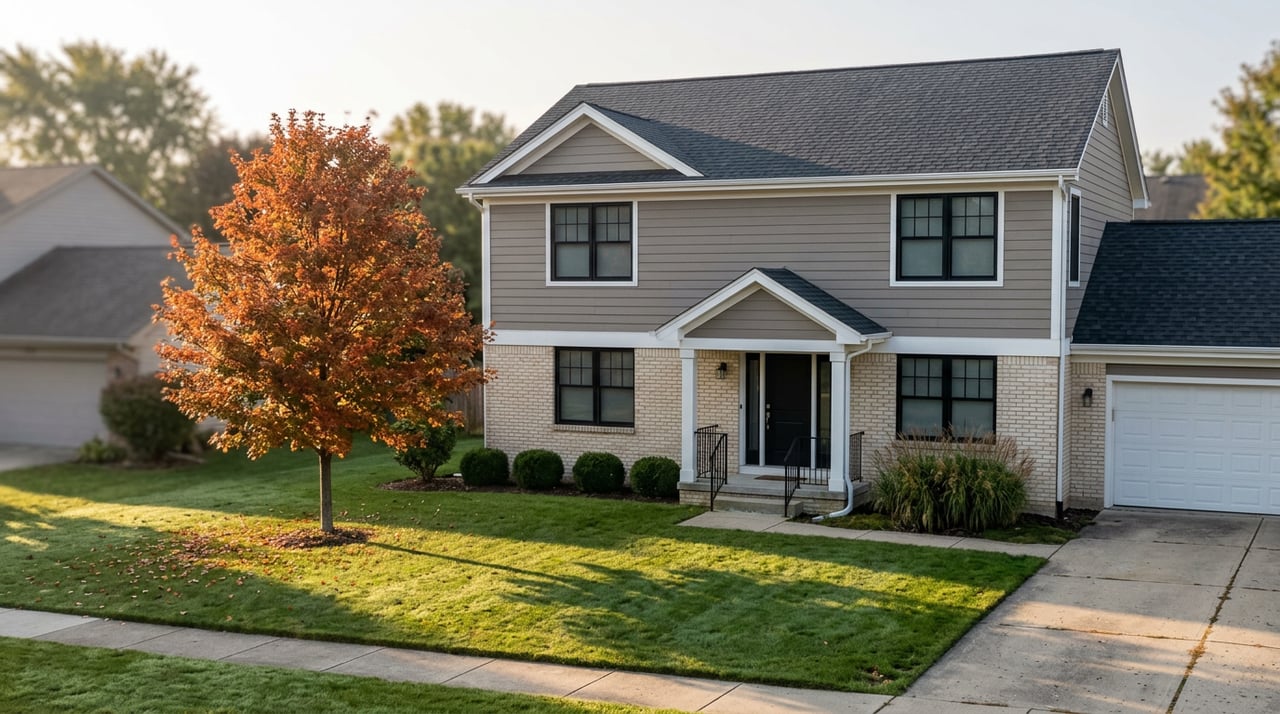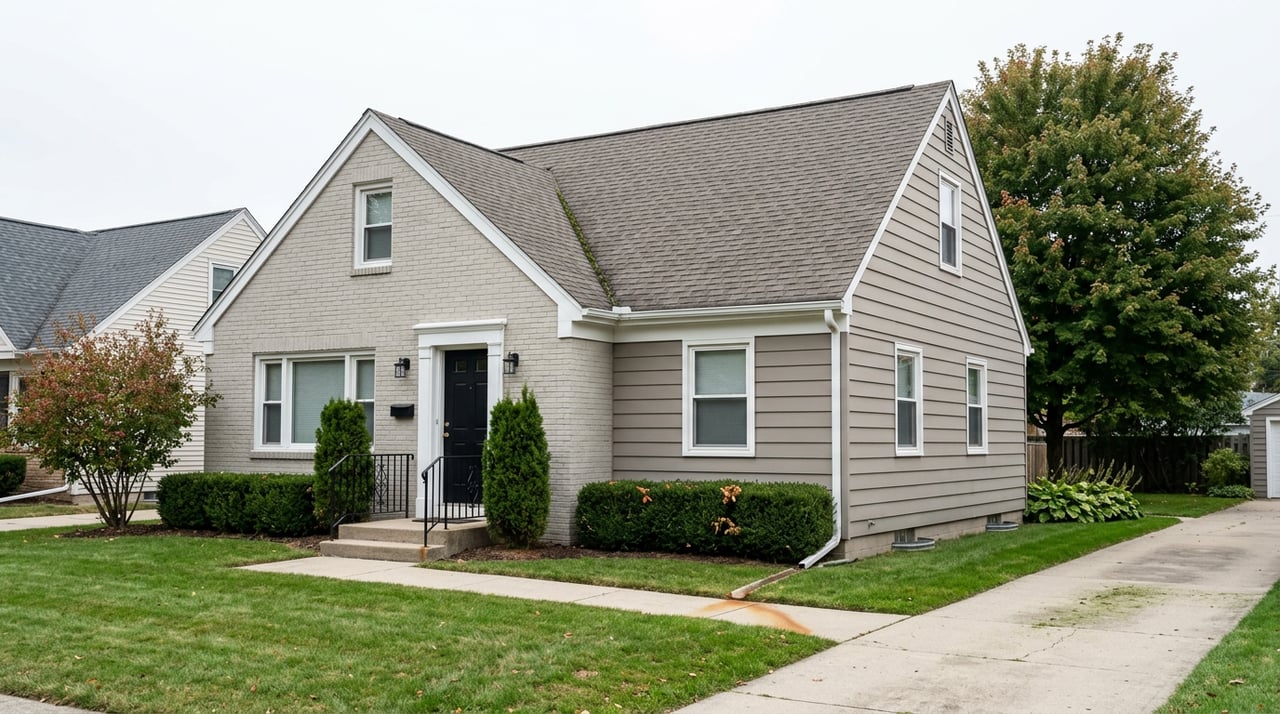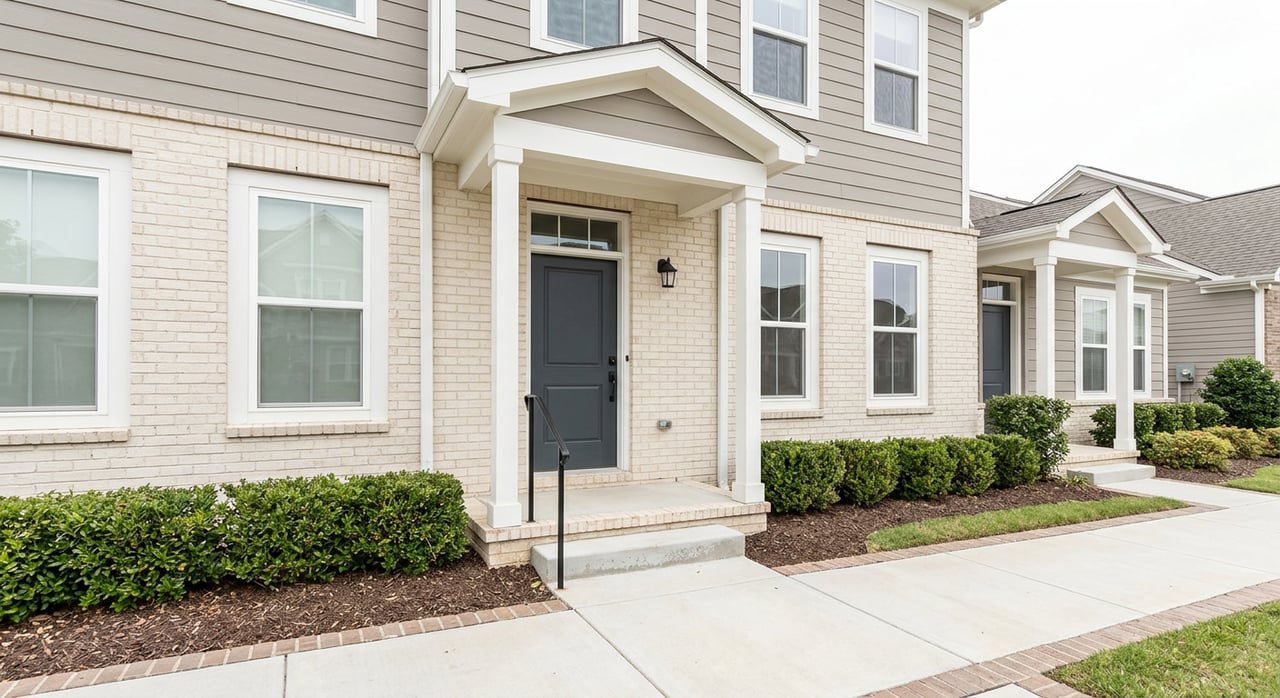
Thinking about trading weekend yardwork for a simpler, low‑maintenance home while staying close to what you love in Tinley Park? You are not alone. Many local owners are choosing condos and townhomes for single‑level living, easier upkeep, and access to shops and transit. In this guide, you will see where attached homes cluster, how prices and HOA fees typically look, what to watch for in the HOA, and how to choose the right fit. Let’s dive in.
Why Tinley Park works for downsizers
Tinley Park offers a broad mix of condos, townhomes, and active‑adult options that often cost less than single‑family homes in town. Over the last 12 months, median single‑family sales hovered near $399,900 and median townhome sales around $349,990, with many 2‑bedroom condos in the low to mid $200Ks. That gap can free equity and lower maintenance, even after adding an HOA fee. Typical time on market runs about 20–30 days, so well‑priced homes can move quickly.
Demand for accessible, low‑maintenance housing is rising nationwide as older adults seek homes with fewer stairs and closer services. Research from the Harvard Joint Center for Housing Studies highlights the need for more accessible and affordable options, including single‑level and elevator buildings that suburbs like Tinley Park provide. You can explore those features locally without giving up neighborhood familiarity.
Best areas for condos and townhomes
Downtown Oak Park Avenue corridor
If walkability and transit are high on your list, the Oak Park Avenue area near Harmony Square and Zabrocki Plaza is your most walkable pocket of Tinley Park. You will find small elevator buildings and mixed‑use blocks near restaurants, coffee, and services. The main Metra stop is right here, and the corridor scores higher for walkability than most of the village. See the village’s overall picture on the Tinley Park page at Walk Score and the Tinley Park station overview for context.
Chantilly (northeast Tinley Park)
Chantilly features 1990s townhome layouts with attached garages and two‑story plans that many downsizers like for space and storage. Sample listings often show HOA fees in the low $200s. Many residents appreciate the balance of a private garage and low exterior maintenance handled by the association.
Cambridge Place (east of LaGrange Rd)
Cambridge Place offers larger late‑1980s townhomes, many with end‑unit exposure and attached garages. HOA dues are commonly on the higher side, often in the low $400s, because more services are covered. It is a good example of paying a bit more monthly for less exterior work and broader inclusions.
The Pines (55+ active‑adult)
The Pines is a purpose‑built 55+ community with ponds, walking paths, and low‑rise buildings that focus on single‑level living. HOA fees often range from about $180 to $325 depending on building and unit type. Buyers seeking first‑floor ranch layouts and a quieter, community‑oriented setting often look here first.
Other pockets to explore
You will also see attached homes in Cherry Creek, Ridgepointe Woods, Parkview, and Odyssey Country Club areas, plus a variety of 1980s–2000s townhome communities scattered across Tinley Park. These neighborhoods offer different sizes, finishes, and HOA structures, so it helps to compare by amenities and monthly costs.
HOA fees and what they cover
In Tinley Park, condo and townhome HOA fees typically run about $175 to $450 or more per month. Many communities cluster around $200 to $350, with higher‑amenity buildings and broader service packages on the upper end. Fees vary by building, unit size, and how much the association includes.
Services you may see included
- Exterior maintenance for roofs, siding, and common areas
- Lawn care and snow removal
- Master/common‑area insurance
- Garbage service and, in some cases, water and sewer
- Upkeep for shared amenities like ponds, walking paths, elevators, or a clubhouse
Always confirm the exact inclusions in the listing and association documents for the home you are considering.
Red flags and due diligence
- Reserves and special assessments: Ask for the budget, reserve statement, and recent meeting minutes. Weak reserves can lead to special assessments. Learn why reserves matter from this Illinois‑focused overview on association reserves and risk.
- Insurance and lending: The condo insurance market has tightened in recent years, which can affect premiums and dues. Poor insurance placement or litigation can also limit mortgage options. See a consumer explainer on condo HOA distress and insurance issues, then verify the master policy for any property you pursue.
Walkability and transit
Tinley Park is mostly car‑dependent with an overall Walk Score of 35, but the downtown Oak Park Avenue area is a standout for walkable access to dining, services, and transit. The village has two Rock Island District Metra stations, including the downtown Tinley Park station on Oak Park Avenue and the 80th Avenue station, offering service to downtown Chicago. Review the Tinley Park station overview and use Walk Score’s Tinley Park page to estimate walking times to shops, platforms, and daily needs.
Cost comparison example
Here is a simple way to think about the move from a typical single‑family to a townhome or condo in Tinley Park.
- Sell a single‑family home near $400,000.
- Buy a townhome near $350,000, freeing about $50,000 in equity before transaction costs.
- Add an HOA fee in the $200–$400 range for maintenance and services.
Many buyers accept the HOA in exchange for less exterior work, more predictable upkeep, and proximity to amenities. Remember that Cook County property taxes vary by assessment and exemptions, so use the Cook County Assessor’s overview to understand how your tax bill is calculated for any address you consider.
How to choose the right fit
- Define must‑haves: single‑level living, attached garage, elevator access, in‑unit laundry, guest parking, or a pet‑friendly policy.
- Map your lifestyle: use walking‑time tools to check distance to groceries, pharmacy, medical care, and the Metra.
- Compare HOA value: list what each association includes and the current fee. Look at reserves, insurance, and recent assessments.
- Confirm financing early: some condos must meet project approval rules. Ask your lender about options for conventional, FHA, or VA loans. Start with HUD resources on FHA condo approval.
- Plan your sale‑to‑buy timeline: with median market times around 20–30 days, coordinate listing prep, showings, and your next purchase so you move once.
Downsizer checklist
- Neighborhood fit: downtown Oak Park Avenue for walkability and Metra, Chantilly for garage townhomes with modest dues, Cambridge Place for more services at a higher HOA, and The Pines for 55+ single‑level living.
- Layout and access: target ranch‑style units or elevator buildings, first‑floor suites, minimal stairs, and in‑unit laundry.
- HOA documents: request budget, reserve study, master insurance summary, Section 22.1 disclosures, meeting minutes, and 2 years of financials. See this primer on reserve sufficiency and risks.
- Financing and warrantability: ask your lender about project approval status and how it affects conventional, FHA, or VA options. Start with HUD’s FHA guidance.
- Taxes and assessments: review the Cook County Assessor’s guide on how taxes are calculated and check any exemptions you may qualify for.
- Insurance landscape: anticipate higher premiums or deductibles in some associations, which can affect dues. Read a consumer explainer on insurance‑related HOA stressors.
- Lifestyle details: parking and guest‑parking rules, pet policies, package delivery, storage, and any social or clubhouse amenities you want.
Ready to downsize in Tinley Park?
If you want a clearer picture of which condos or townhomes fit your budget, lifestyle, and timeline, let’s talk. As neighborhood‑focused advisors, we will help you compare communities, evaluate HOAs, and plan a smooth move that frees your time and capital. Start your next chapter with Niki Rocco.
FAQs
What should I know about Tinley Park condo and townhome prices?
- Recent medians show single‑family homes near $399,900, townhomes near $349,990, and many 2‑bedroom condos in the low to mid $200Ks, though exact prices vary by size, condition, and location.
How much are HOA fees for Tinley Park condos and townhomes?
- Many communities fall between about $175 and $450 per month, with a common range of $200–$350 depending on what the association includes.
Which Tinley Park areas are most walkable for condo living?
- The Oak Park Avenue corridor around Harmony Square and the downtown Metra station is the most walkable pocket in a generally car‑dependent village, as shown on Walk Score’s Tinley Park page.
What HOA documents should I review before buying in Tinley Park?
- Ask for the budget, reserves, insurance summary, meeting minutes, and Section 22.1 disclosures; this reserve and risk overview explains why those items matter.
Are there 55+ options for downsizers in Tinley Park?
- Yes, you can find 55+ communities with single‑level layouts and community amenities, such as ponds and walking paths, that focus on easier living and accessibility.
How do Cook County property taxes work for condos and townhomes?
- Taxes depend on assessed value and applicable exemptions; review the Assessor’s guide on how taxes are calculated and confirm numbers for any address you consider.
Will my lender approve any Tinley Park condo project?
- Not always. Some condos must meet project approval rules that affect conventional, FHA, or VA loans, so check with your lender early and see HUD’s FHA condo info for background.