Thinking about trading city pace for suburban ease without giving up access to Chicago? Orland Park offers just that, with a comfortable small-town rhythm, plenty of parks and shopping, and straightforward commutes. If you want to picture daily life, from schools and sports to dinner plans and train schedules, you are in the right place. This guide walks you through the essentials so you can decide if Orland Park fits your lifestyle. Let’s dive in.
Where Orland Park fits in Chicagoland
Orland Park sits in southwest Cook County, about 20 to 30 miles from downtown Chicago depending on your route. It functions as a regional hub for shopping, dining, and services, which keeps daily errands simple. The village blends established tree-lined neighborhoods with newer subdivisions and a growing, walkable civic center. For a high-level overview and local services, start with the Village of Orland Park website.
Neighborhoods and homes at a glance
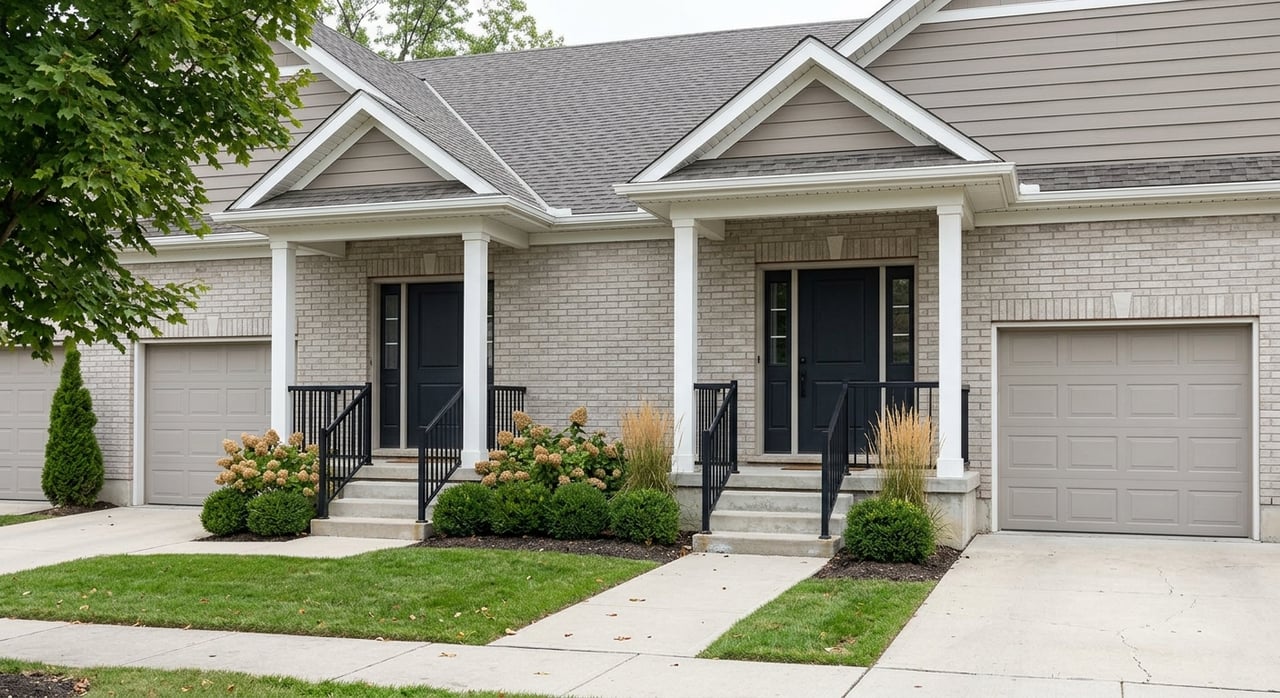
Orland Park offers a wide range of housing. You will find classic postwar ranches, split levels, and colonials, plus larger single-family homes in newer subdivisions. There are also townhomes and condos near shopping and in convenient pockets close to transit.
Village Center and downtown
The Village Center area hosts restaurants, small shops, and seasonal community events. It appeals to buyers who want proximity to dining and farmers markets with short drives to grocery stores. Nearby you can find older single-family homes and some infill townhome or condo options.
Retail corridors and lifestyle centers
Orland Square Mall anchors a major retail spine, with national brands, dining, and services. Living near the retail corridor gives you quick access to errands and a mix of housing types, including townhomes and newer subdivisions nearby. Explore current stores and hours on the Orland Square Mall site.
Established single-family streets
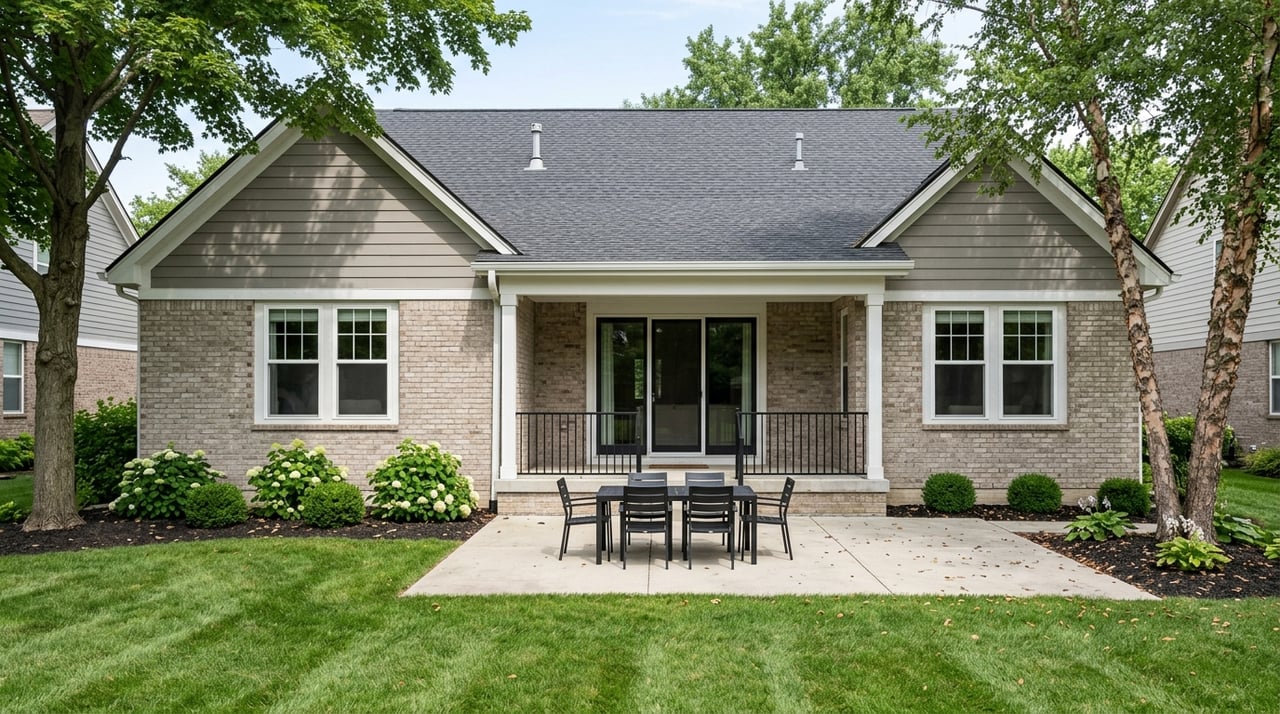
Quiet blocks with mature trees and mid-block parks attract many first-time and move-up buyers. Homes often feature backyards, driveways, and garages, which make daily routines like school pickup and youth sports easy. These areas are popular for their neighborhood feel and convenient access to village amenities.
Newer subdivisions
If you want more space or modern floor plans, look at planned developments with cul-de-sacs and community features. These areas often provide larger lots, flexible living spaces, and access to trails or playgrounds. They work well for buyers who value room to grow.
55-plus and low-maintenance living
Orland Park includes condos, townhomes, and smaller-lot homes that simplify upkeep. Many are close to shopping, medical services, and recreation programs, which appeals to downsizers who want convenience without sacrificing community.
Schools and education overview
Multiple public school districts serve Orland Park, including K–8 districts that feed into separate high school systems. Boundaries can vary street by street, so always confirm the assigned schools for a specific address using district boundary tools. For performance data and program details, review the state’s resource at the Illinois Report Card and then visit schools in person.
Families will find a range of programs from early childhood options to honors, AP, and extracurricular offerings. Private and parochial choices are available in and around the village. If schools are a top priority, plan ahead to verify boundaries and transportation before you make an offer.
Parks, trails, and recreation
Orland Park maintains a broad park system with playgrounds, sports fields, and programming for all ages. You will find youth sports, fitness classes, senior programs, and seasonal events through the village’s recreation department. To explore forest preserves and trails nearby, use the Cook County Forest Preserves site for maps, fishing details, and nature programs.
Young families often gravitate to neighborhoods with playgrounds and sidewalks for strollers and bikes. Move-up buyers look for yard space and quick access to larger parks and trails. Downsizers often prefer easy access to classes, walking paths, and low-maintenance outdoor spaces.
Shopping, dining, and errands
Daily life is simple here. Along the retail corridors you will find grocery chains, specialty food stores, pharmacies, banks, and medical and dental offices. Dining ranges from casual family spots to sit-down options near the Village Center and around major shopping areas.
Orland Square Mall offers regional shopping with national brands, and the nearby lifestyle centers add more big-box stores and restaurants. Weekends and holidays can be busy near the mall, while the village core tends to be more walkable with quicker parking.
Getting around and commuting
You have multiple ways to reach downtown Chicago and nearby employment centers. By car, typical travel times to the Loop can range from about 30 to 60 minutes depending on traffic and route. Many commuters choose Metra for a predictable schedule and park-and-ride convenience.
- Metra: The SouthWest Service provides direct service to Union Station. Check stations, schedules, and alerts on the Metra SouthWest Service page.
- Pace Bus: Local routes and connectors support trips to shopping, schools, and jobs. See routes and park-and-ride options on Pace.
Parking is generally abundant in residential areas and near retail centers. If you plan a daily train commute, consider homes close to a station or with convenient parking access.
Healthcare and civic services
You will find primary care, specialists, and outpatient centers in village limits and full-service hospitals in nearby suburbs. Public safety, library services, and village programming add to day-to-day convenience. For department contacts and updates, start with the Village of Orland Park.
If you are researching property taxes, review current assessments and due dates with the Cook County Treasurer and the Cook County Assessor. Sales tax rates and related information are available from the Illinois Department of Revenue.
Community life and events
Orland Park hosts farmers markets, concerts, seasonal festivals, and family events that help new residents plug in quickly. Youth sports, volunteer opportunities, and library programs offer year-round activities. Events fill up fast, so mark your calendar and follow village updates for dates and registration details.
Who Orland Park fits
- Young families: Established streets near parks, playgrounds, and community programs, plus townhomes and mid-priced single-family homes.
- Move-up buyers: Larger single-family homes in established or newer subdivisions with flexible layouts and room for a home office.
- Downsizers: Low-maintenance condos or townhomes close to shopping, healthcare, and recreation.
Buying or selling with confidence
If you are buying, map out your daily routine. Test your commute, check school boundaries for a specific address, and tour parks and local shopping at the times you would typically use them. If you are selling, highlight lifestyle features that matter, such as yard space, proximity to trails, or an easy walk to dining.
Ready to explore homes or discuss timing, pricing, and strategy? Work with a local team that knows the streets, the stations, and the nuances that matter. Connect with Niki Rocco to plan your move or request a Free Home Valuation.
FAQs
How long is the commute to downtown Chicago from Orland Park?
- By car, expect about 30 to 60 minutes depending on traffic and route. By train, the Metra SouthWest Service runs to Union Station, so check current schedules on the Metra SWS page.
How do I confirm which public school serves my Orland Park address?
- Boundaries vary by street, so use district boundary lookups and verify programs and performance on the Illinois Report Card. Always confirm with the district before you buy.
What neighborhoods suit young families, move-up buyers, or downsizers in Orland Park?
- Families often choose established streets near parks and schools, move-up buyers look at larger homes in newer or established subdivisions, and downsizers focus on condos or townhomes near shopping and medical services.
How walkable is downtown Orland Park and are services nearby?
- The Village Center area is a short-walk environment with dining and small shops. Many condo and townhome pockets are within a short drive of groceries, clinics, and parks.
What kinds of homes are common in Orland Park?
- You will find postwar ranches and split levels, traditional two-story homes in established subdivisions, larger single-family homes in newer developments, and a range of townhomes and condos including 55-plus options.
How can I check current property taxes in Orland Park?
- Review assessments, exemptions, and payment details with the Cook County Treasurer and property data with the Cook County Assessor. Rates vary by property and local taxing bodies.
Where can I find local transit options for daily commuting?
- For commuter rail, use the Metra SouthWest Service. For suburban bus routes and park-and-ride details, see Pace.
Is Orland Park safe and how do I review local crime data?
- Safety can vary by block and over time. Review updates and resources from the Village of Orland Park and compare with regional crime-mapping tools, then confirm with official police sources.