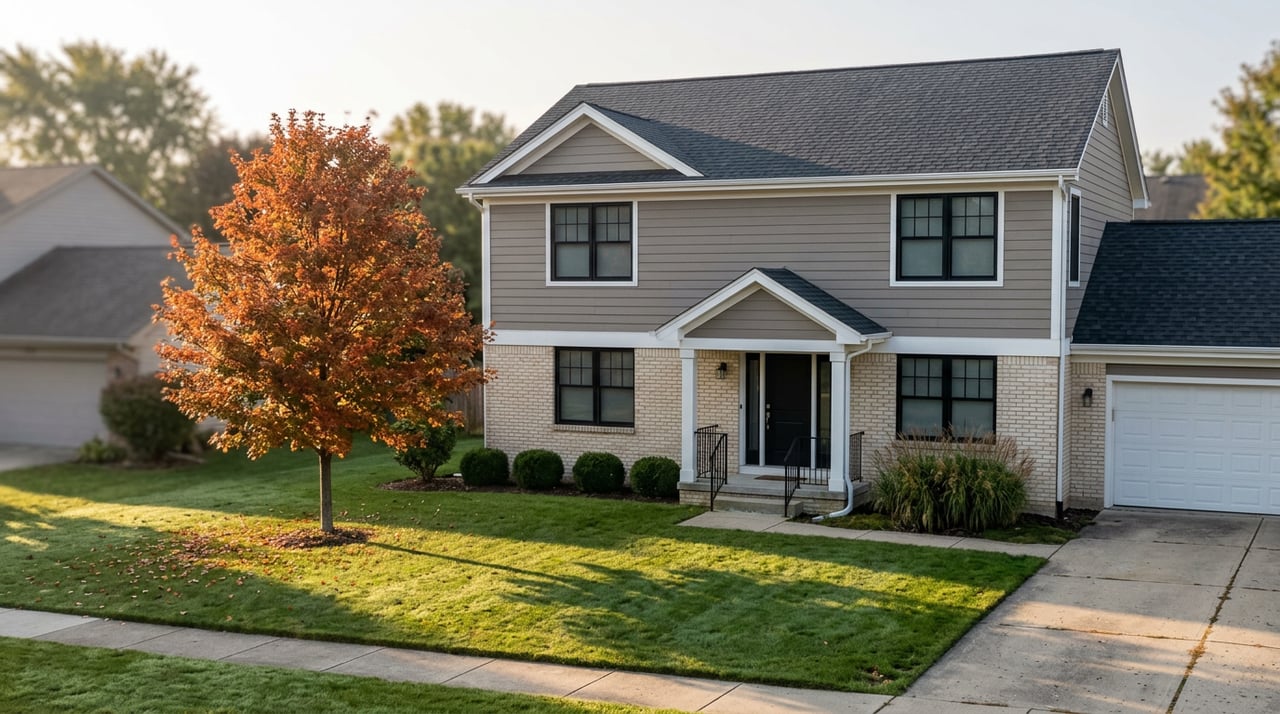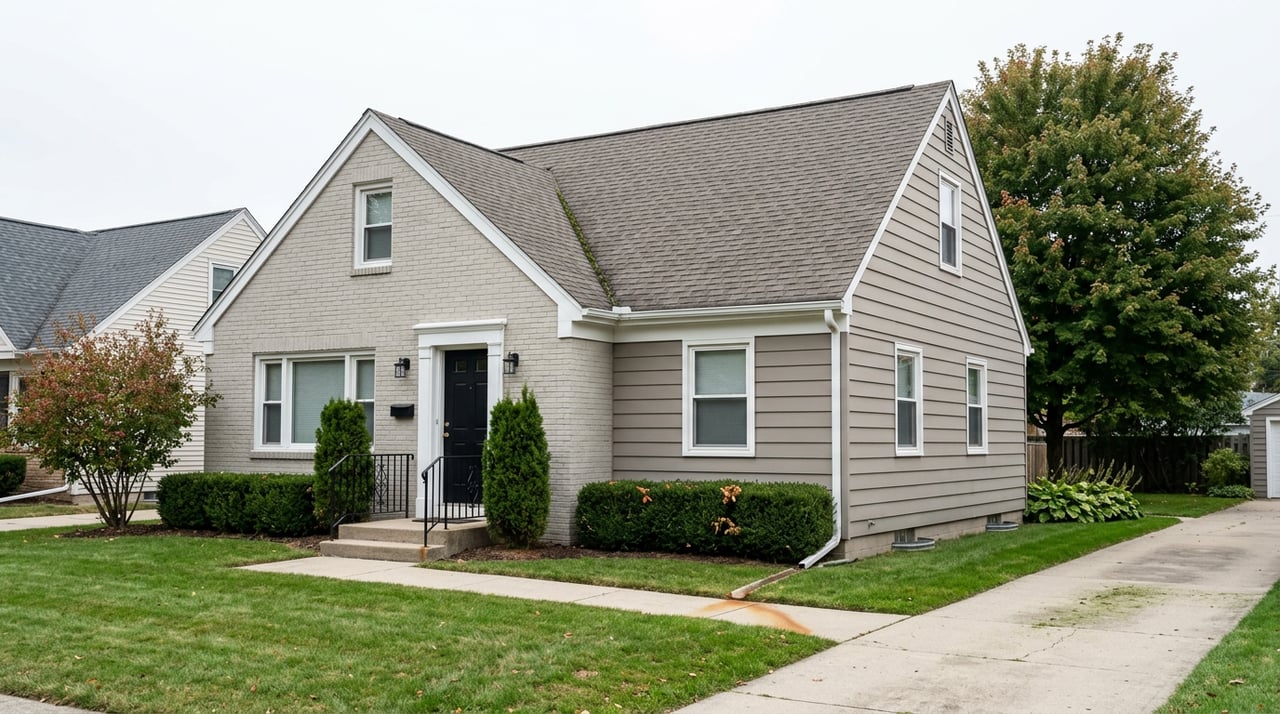
Wondering when to put your Tinley Park home on the market so you get the most attention and strongest offers? In Chicagoland, the calendar matters. Buyer activity rises with the weather, families plan around the school year, and curb appeal changes week by week. In this guide, you’ll learn the best months to list, a simple 12-week prep plan, and smart timing tips tailored to Tinley Park and the southwest suburbs. Let’s dive in.
Why spring is prime in Tinley Park
Spring is the traditional sweet spot for sellers in the Chicago suburbs. March through June brings the highest buyer traffic, with April and May often seeing the fastest sales and stronger competition. Local and national research point to the same pattern: as weather improves and families start house hunting, demand climbs across the metro area. You can see these seasonal trends in national resources like the National Association of Realtors and data hubs such as Zillow Research.
Why spring timing matters locally
In Tinley Park and nearby suburbs, demand is shaped by commuters and families. Many buyers want easy access to Metra and major expressways, and they aim to close before summer ends. That mix strengthens the spring and early summer window. If you want to capture the largest audience, plan to be active by April or May.
Plan ahead for a spring launch
A great spring listing starts in winter. You’ll want 6 to 10 weeks to tackle repairs, staging, and photography. Aim to go live after the snow and early mud are gone so your yard looks clean and green. Your first 10 to 14 days on the market are critical, so timing pays off.
Secondary windows: fall and winter
Spring may be king, but it isn’t your only option. If life or projects push you past June, you still have strong choices.
Early fall advantage
September and October often deliver a modest bump in activity after summer vacations. Buyers who are still in the market tend to be serious, and there is usually less competition than in spring. If you miss the spring rush, an early fall launch can work well.
Winter strategy
November through February is the slowest season for showings. That said, the buyers who are out are often motivated due to job changes or life events. If you sell in winter, focus on move-in ready presentation, crisp pricing, and standout photography. Clean snow and ice promptly, keep the home warm for showings, and highlight practical features that matter in cold weather.
12-week prep plan to hit spring
If you want to list in March or April, work backward. Here is a simple plan you can adapt to your home and timeline.
- Weeks 1–2: Meet your agent, review a comparative market analysis, map your update list, and decide whether to order a pre-listing inspection.
- Weeks 3–6: Complete paint and minor repairs, declutter, deep clean, and schedule staging. Book your photographer and floor plan provider.
- Weeks 7–8: Prep landscaping as weather allows, remove winter clutter, and plan fresh mulch. Schedule professional photos and consider twilight shots once the yard reads green.
- Week 9: Go live on the MLS. Consider a broker open and a public open house that first weekend. Price to compete and maximize the first 7 to 14 days of visibility.
- Weeks 10–12: Review offers, finalize terms, and move through inspection and appraisal. Most sellers target a 30 to 45 day close to land in late spring or early summer.
If you want to be active right at the start of March, shift this calendar earlier. If you are on a tight deadline, compress it with a focus on the highest-impact items.
Pricing and marketing by season
Spring pricing and presentation
Price competitively to capture traffic in those first two weeks. Leverage full marketing: professional photography, floor plans, and polished copy. Consider pre-marketing to build early interest if your schedule allows. Homes that are move-in ready and well photographed have a better chance of drawing multiple offers in hot submarkets.
Off-peak strategy
In summer, highlight outdoor living and schedule showings during cooler hours if possible. In fall, showcase storage, organization, and light. In winter, emphasize warm, inviting staging and clear access. Across all off-peak seasons, make it easy to show the home and put value front and center.
Local factors that influence timing
Commute and location
Tinley Park’s commuter access is a key selling point. Easy proximity to the Metra Rock Island District and major expressways attracts buyers who split their time between the suburbs and city. When you market your home, call out distances, parking options, and train frequency where relevant. For transit details, check Metra’s service information.
School-year moves
Many family buyers plan to close and move before late summer. Listing in March or April helps you align with that goal. If you list in May, you can still target a summer close, though the timeline may tighten.
Weather-specific checklist
Chicagoland’s seasons can help or hinder your sale. Use this quick guide:
- Winter: Snow and ice removal plan. Keep paths clear for showings. Warm, bright interior staging.
- Spring: Repair lawn edges damaged by plows, lay fresh mulch, prune shrubs, and time photos when the yard shows best.
- Summer: Showcase decks, patios, and lawn areas. Keep gardens tidy and green.
- All seasons: Inspect gutters and roof after storms, test sump pump and address any moisture issues, and service HVAC before listing.
Drainage and disclosures
Low-lying lots and sump pump systems are common local concerns. If you have a history of seasonal moisture, it is wise to remediate before listing and disclose clearly. Solid preparation helps prevent surprises during inspection.
Using comps and data to price with confidence
Smart pricing in Tinley Park starts with recent, nearby sales. In active markets, look at the last 3 to 6 months of solds within a half mile to a mile. In slower markets, widen the time frame to 6 to 12 months. Weight the most recent 30 to 90 days more heavily when you finalize price.
Key metrics to review:
- Sold price and sale date
- List-to-sale price ratio
- Days on market and time from list to contract
- Price per square foot, adjusted for finished basements and quality
- Inventory levels and new listings per month
Adjust for condition, updates, lot size, and location factors such as proximity to transit and major roadways. For property tax context and records, you can reference the Cook County Assessor. For broader trend context and seasonal patterns, explore the Redfin Data Center and Zillow Research.
Choosing your go-live week
Microtiming can make a difference. In spring, launch after snow melt and early mud have passed so your exterior photos shine. Complete landscaping touches right before photography. Aim to be live in April or May to tap peak buyer activity. If you prefer an early fall sale, late August through September can position you ahead of October slowdowns and the holiday season.
Plan your close around your goals
If you want to be settled before the next school year, aim to list in March or April and plan a 30 to 45 day closing. That timeline also pairs well with typical mortgage rate lock windows. Discuss any tax proration questions with your agent and attorney so you know what to expect at closing.
What if mortgage rates move?
Rate shifts can speed up or slow down buyer demand. Sharp changes sometimes pull demand forward or push it out, even during normally busy months. Before you set a launch date, review current rate trends and buyer activity with your agent so your strategy reflects today’s market conditions. For national housing context and buyer patterns, the National Association of Realtors offers timely insights.
Local resources worth a bookmark
- Tinley Park village services, permits, and events: Village of Tinley Park
- Transit schedules and station info: Metra
- Property and tax records: Cook County Assessor
- Market trend research: Zillow Research and Redfin Data Center
Ready to sell with confidence?
If you want a smooth, well-timed sale, pair the right calendar window with strong presentation. A polished plan that includes professional photography, clear pricing, and thoughtful staging will help you capture peak interest when it matters most. If you are aiming for a spring or early fall launch in Tinley Park or the southwest suburbs, let’s map your timeline and get started.
For a concierge, marketing-forward experience backed by local expertise, connect with Niki Rocco. Request a Free Home Valuation and a tailored plan for your home, your goals, and your ideal timeline.
FAQs
What is the best month to list in Tinley Park?
- April and May often produce the most buyer traffic and faster sales in the Chicago suburbs, with March through June generally performing well.
Is September a good time to sell in the Chicago suburbs?
- Yes, September through October can bring a modest uptick after summer, with serious buyers and less competition than spring.
Can I sell successfully in winter in Tinley Park?
- Yes, expect fewer showings but more motivated buyers; focus on move-in ready presentation, clear pricing, and excellent, bright photography.
How early should I start preparing for a spring sale?
- Begin 6 to 10 weeks ahead to complete repairs, staging, and photos so you can launch once snow and early spring mud are gone.
How do commute and Metra access impact my sale?
- Easy access to Metra and expressways attracts commuter buyers, which can boost interest; highlight your proximity and transit options.
Which data should I review to set my list price?
- Use recent 3 to 6 month solds nearby, plus list-to-sale ratios, days on market, price per square foot, and inventory trends for context.